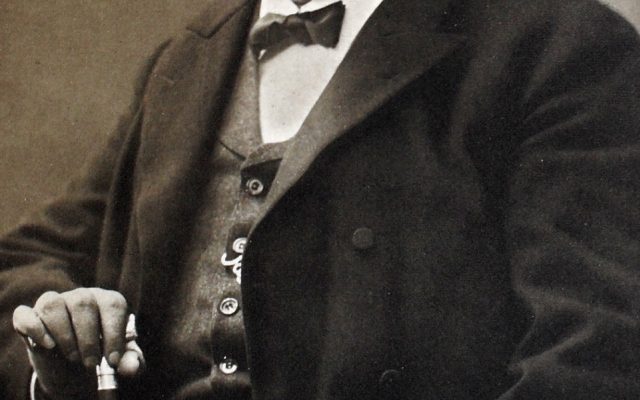
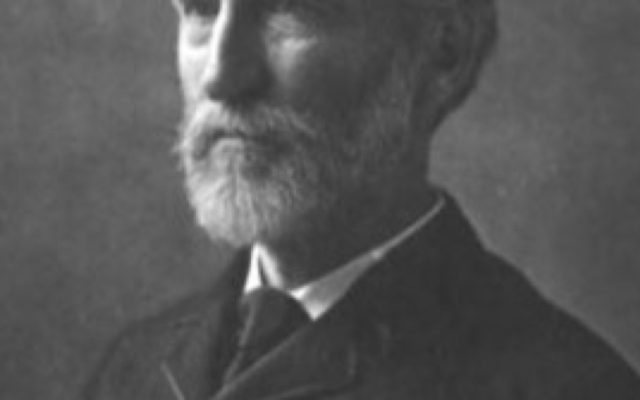
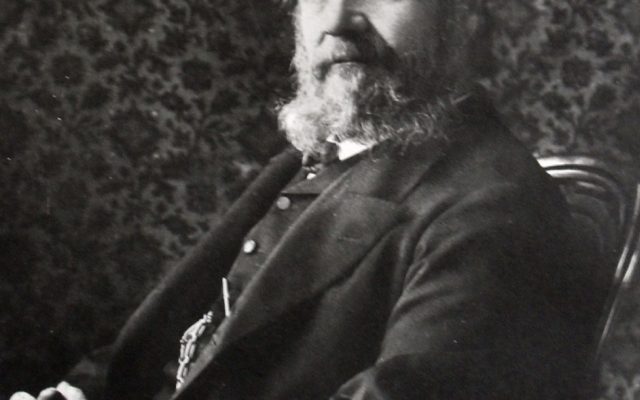
Why do some chemical reactions proceed spontaneously with explosive vigor, while others refuse to occur without continuous energy input? Between 1873 and...
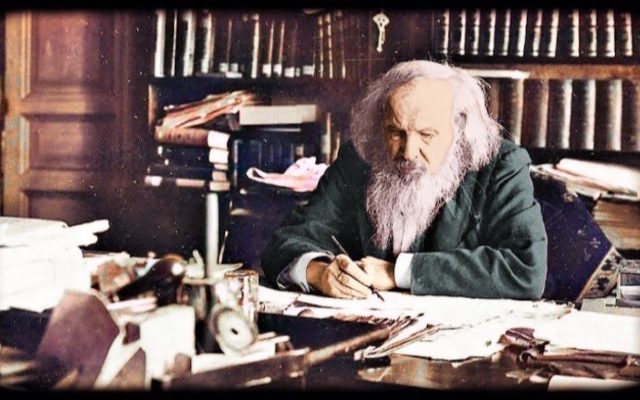
In February 1869 in Saint Petersburg, Dmitri Ivanovich Mendeleev arranged the known chemical elements by atomic weight and chemical valence, unveiling the...
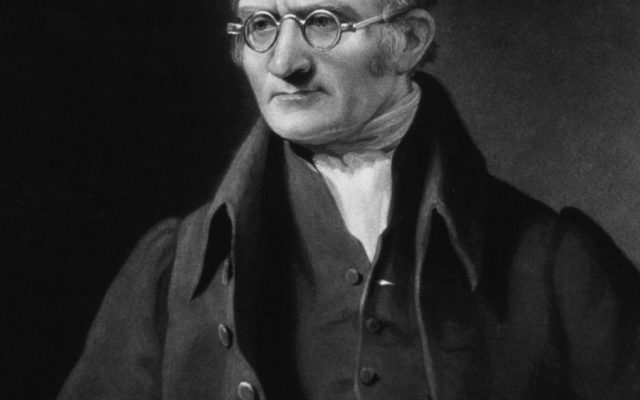
Democritus dreamed of atoms as philosophical corpuscles; John Dalton gave them measurable atomic weights. In 1803–1808, the Manchester Quaker schoolmaster deduced the...
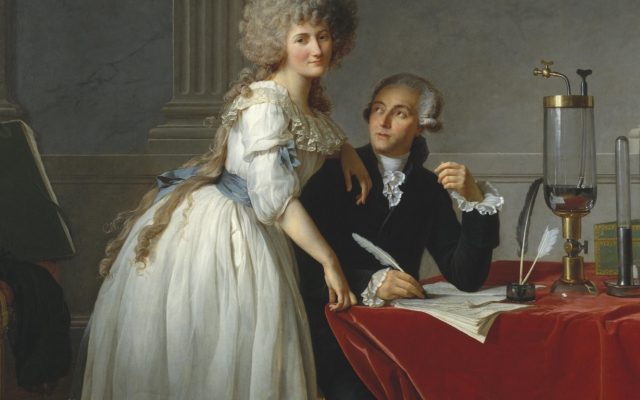
In the 1770s and 1780s, Antoine-Laurent de Lavoisier and his brilliant collaborator Marie-Anne Paulze revolutionized chemistry. Armed with precision balances, Lavoisier demolished...
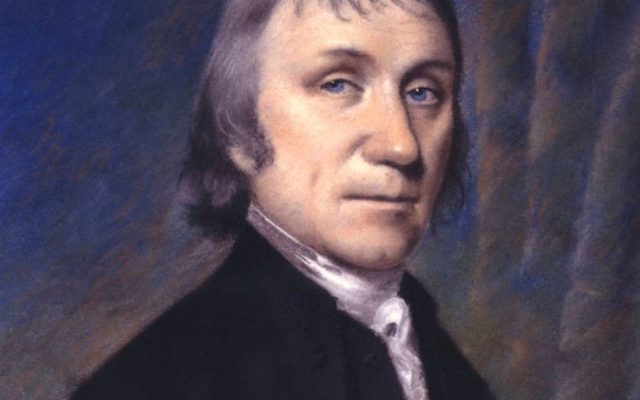
For centuries, air was considered a single indivisible element. In the mid-eighteenth century, pneumatic chemists like Joseph Black, Henry Cavendish, and Joseph...
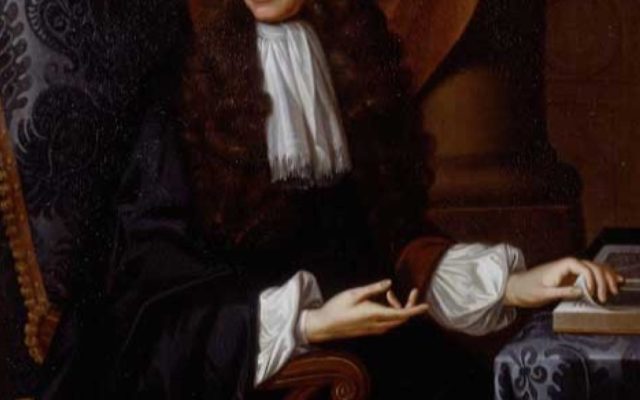
In 1661, Robert Boyle published The Sceptical Chymist, shattering both the Aristotelian four elements and the Paracelsian tria prima. Demanding rigorous quantitative...
In eighth-century Abbasid Baghdad, Islamic alchemy transformed speculative elemental philosophy into an empirical laboratory craft. Jabir ibn Hayyan (Geber) invented the alembic,...
Long before the rise of modern laboratories, pre-Socratic philosophers grappled with a radical question: what is the fundamental substrate of all physical...
•4 min read
Editorial Academy
Learner Portal & Sync
Open to everyone worldwide—researchers, engineers, students, and independent scholars. Sign in with Google or your email to securely track reading progress across devices, take faculty examinations, and earn verified diplomas.
or continue with email
🎓
Enrolled Academic Curricula (23 Disciplines)
The Great Equations (MATH-101)20 Parts • Mathematical Physics & Epistemology
The Story of Physics (PHYS-101)20 Parts • Classical & Modern Theoretical Physics
The Universal Chronicle (COSM-101)20 Parts • Astrophysics & Big History Cosmology
The Evolutionary Odyssey (BIOL-101)20 Parts • Paleobiology, Genetics & Macroevolution
The Story of Consciousness (PHIL-101)20 Parts • Cognitive Neuroscience & Philosophy of Mind
The History of Computing and AI (COMP-101)20 Parts • Computer Architecture & Machine Intelligence
The History of Bengal (HIST-101)20 Parts • Regional Historiography & Geopolitical Economy
The Epic of Human Civilization (CIV-101)20 Parts • World History & Civilizational Anthropology
The Evolution of Money & Markets (ECON-101)20 Parts • Monetary History, Central Banking & Macroeconomics
The Story of Chemistry (CHEM-101)20 Parts • Molecular Sciences, Quantum Bonding & Nanotechnology
The Story of Genetics (GEN-101)20 Parts • Molecular Biology, Genomics & Synthetic Life
The History of Philosophy (PHIL-101)20 Parts • Epistemology, Classical Metaphysics & Continental Thought
Game Theory & Mechanism Design (GAME-101)20 Parts • Strategic Interaction, Mechanism Design & Algorithmic Economics